GoPro Hero 13 Review 2026: Is It Still the Best Action Camera for Creators?
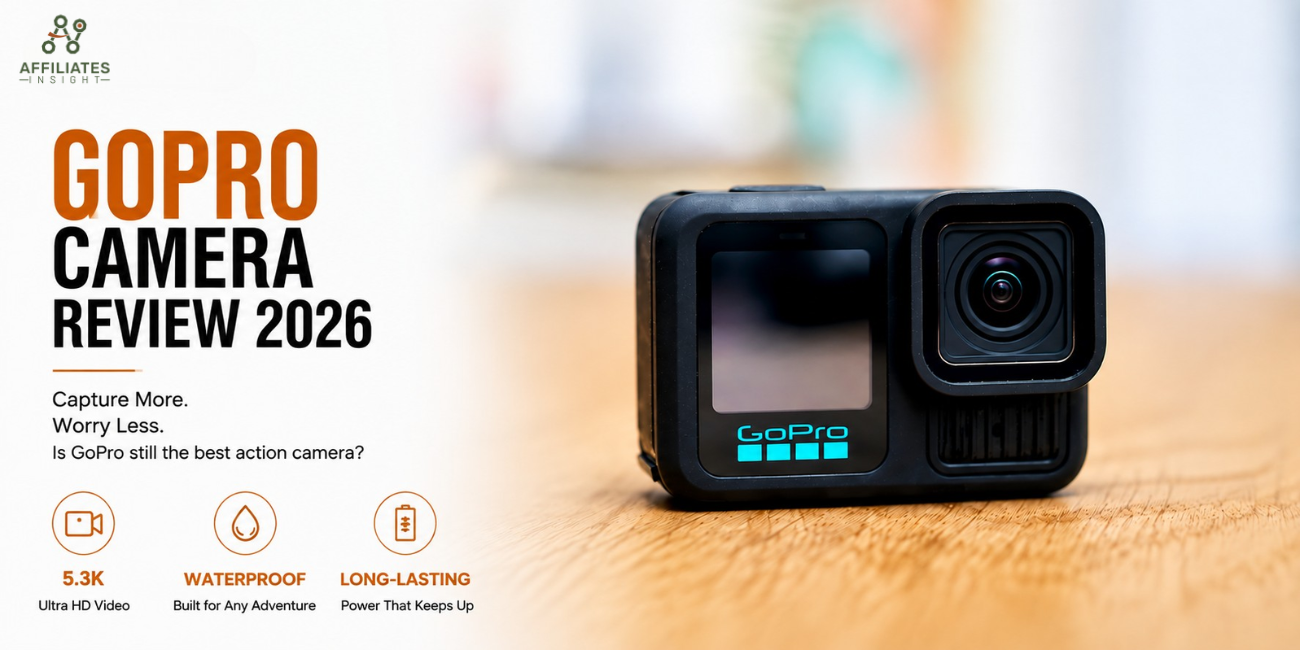
The action camera market in 2026 is more competitive than ever, with strong offerings from brands like DJI and Insta360 pushing innovation in different directions. Even so, the GoPro Hero 13 Black continues to be one of the most popular choices among creators, especially for outdoor and action-heavy content. But the real question is whether it still leads the category or if it has become a familiar default option rather than a standout upgrade.
Table of Contents
-
Product Overview
-
Key Specifications
-
Video Quality & Performance
-
Stabilization & Shooting Features
-
Battery Life & Usability
-
Pros and Cons
-
Comparison With Competitors
-
Pricing & Value
-
Final Verdict
-
FAQs
1. Product Overview
The GoPro Hero 13 Black is built for creators who need a compact, durable camera that can handle movement, travel, and action scenarios. It is widely used by vloggers, sports creators, and social media filmmakers who want reliable footage without carrying heavy equipment. While the design remains familiar, the focus is on incremental improvements in stabilization, HDR video, and creative shooting flexibility through modular lens support.
2. Key Specifications
The Hero 13 Black offers strong technical capabilities for an action camera. It supports 5.3K video at up to 60fps and 4K at 120fps for slow motion. It also includes a 27MP sensor for photos and advanced features like 10-bit color and GP-Log recording for more editing control. Stabilization is handled by HyperSmooth 6.0, and the camera is waterproof up to 10 meters without a case. It uses a 1900mAh Enduro battery designed to improve performance in colder conditions. Overall, the specs focus more on versatility and reliability than extreme hardware upgrades.
3. Video Quality & Performance
Video quality remains one of GoPro’s strongest advantages. In daylight conditions, the Hero 13 delivers sharp, detailed footage with strong dynamic range and vibrant colors. The high-resolution 5.3K recording also gives editors flexibility when cropping or reframing shots. However, performance is less impressive in low-light environments. Like previous models, noise becomes more visible in darker scenes, and the smaller sensor limits night performance compared to larger-camera systems. In simple terms, it excels in daylight but struggles when lighting conditions drop.
4. Stabilization & Shooting Features
Stabilization is still where GoPro clearly leads. HyperSmooth 6.0 produces extremely stable footage even in fast movement situations like running, cycling, or water sports. The horizon lock feature helps keep footage level, while multiple aspect ratios allow creators to shoot once and reuse content across platforms. The 8:7 sensor format is especially useful for repurposing videos for YouTube, Instagram, and TikTok without re-shooting. These features make it one of the most creator-friendly cameras available today.
5. Battery Life & Usability
Battery performance has improved slightly, but it still depends heavily on shooting settings. Under ideal conditions, users can expect a couple of hours of recording time, though high-resolution modes reduce this significantly. The Enduro battery performs better in colder environments and charges relatively quickly. However, extended recording sessions at high settings can still lead to overheating and faster battery drain, which remains a common limitation in compact action cameras.
6. Pros and Cons
| Pros | Cons |
| Excellent daylight video quality with sharp, vibrant footage | Average low-light performance compared to some competitors |
| Industry-leading HyperSmooth stabilization for smooth action shots | Can overheat during extended high-resolution recording sessions |
| Rugged, durable, and waterproof design suitable for outdoor adventures | Upgrades over the previous generation are relatively incremental |
| Extensive ecosystem of mounts and accessories for versatile shooting | Premium price may not feel justified for existing GoPro users |
7. Comparison With Competitors
When compared to rivals, each brand takes a slightly different direction. GoPro performs best in stabilization and overall balance, making it the most reliable all-round option for action content. DJI cameras often offer better low-light performance and longer battery efficiency, while Insta360 devices focus more on creative freedom through 360-degree capture and unique framing options. This means GoPro is still the safest all-round choice, but not necessarily the leader in every category.
8. Pricing & Value
The Hero 13 sits in the premium action camera segment, and its value depends heavily on how it is used. For professional creators and outdoor filmmakers, it offers strong value due to its durability and ecosystem support. For casual users, however, the price can feel high, especially when considering that accessories and lens mods often add significantly to the total cost. Discounted pricing makes it a much stronger buy than full retail price.
9. Final Verdict
The GoPro Hero 13 Black is still one of the most capable action cameras in 2026, but it is no longer dramatically ahead of its competitors. It is best suited for travel creators, action sports users, and social media content creators who prioritize stability, durability, and flexible shooting formats. It is less ideal for low-light creators or users looking for a major leap in innovation over previous models. Overall, it remains a top-tier choice, but more because of consistency than groundbreaking upgrades.
10. FAQs
Is the GoPro Hero 13 worth it in 2026?
Yes, especially for outdoor and action-focused creators who need stable, high-quality footage.
Is it better than DJI or Insta360 cameras?
It depends. GoPro leads in stabilization, while DJI and Insta360 perform better in low light and creative shooting.
Is it easy for beginners?
Yes, it is one of the most beginner-friendly action cameras available.
Is it a big upgrade from Hero 12?
No, the improvements are mostly incremental rather than major.
What is its biggest strength?
Stabilization and flexible video formats for multi-platform content creation.